
What Does an Electrical System Integrator Do in a Power Distribution Project?
Table of Contents
- Key Takeaways
- Why Power Distribution Projects Require System Integration
- Where an Electrical System Integrator Fits Within a Project
- Core Responsibilities of an Electrical System Integrator
- Electrical System Integrator Responsibilities Throughout the Project Lifecycle
- How System Integration Supports Reliable Electrical Infrastructure
- The Relationship Between Electrical System Integrators and Switchgear Manufacturers
- Common Challenges an Electrical System Integrator Helps Solve
- What to Look for When Selecting an Electrical System Integrator
- Why Electrical System Integration Is Critical to Power Distribution Success
- Frequently Asked Questions
Modern power distribution projects involve far more than installing equipment and connecting cables. From design development and equipment selection to testing and commissioning, successful projects require multiple systems and stakeholders to work together seamlessly. This is where an electrical system integrator plays a critical role.
Whether a project involves commercial buildings, industrial facilities, data centers, transportation infrastructure, or mission-critical environments, electrical systems must be carefully coordinated to ensure safety, reliability, and long-term performance. At Cantal, we often work with clients who recognize the importance of electrical switchgear and switchboards but are less familiar with how system integration brings these components together into a fully functioning power distribution network.
Understanding what an electrical system integrator does can help project owners, consultants, and facility managers make better decisions throughout the project lifecycle.
Key Takeaways
- An electrical system integrator coordinates multiple electrical systems and components to ensure they operate as a complete power distribution solution.
- System integration begins during project planning and continues through design, installation, testing, commissioning, and energization.
- Effective integration helps reduce project delays, minimize compatibility issues, and improve long-term system reliability.
- Electrical system integrators work closely with consultants, contractors, equipment suppliers, and facility owners throughout a project.
- Proper integration ensures that switchboard, electrical switchgear, protection systems, and monitoring platforms function together safely and efficiently.
Why Power Distribution Projects Require System Integration
Power distribution systems have become increasingly complex. Modern facilities often incorporate numerous interconnected technologies that must operate reliably under varying conditions.
This trend is accelerating as organizations adopt Industry 4.0 technologies and digital manufacturing practices. According to Singapore’s Economic Development Board (EDB), manufacturers are increasingly integrating digital technologies, data analytics, automation, and smart manufacturing processes to improve operational performance and build factories of the future. As facilities become more connected, it is increasingly important that electrical infrastructure, monitoring systems, protection devices, and control platforms work together seamlessly.
A typical project may involve:
- Electrical switchgear
- Main switchboards
- Busduct systems
- Circuit protection devices
- Power monitoring systems
- Backup power systems
- Building management systems
- Energy management platforms
If these systems are designed, supplied, and installed independently without proper coordination, compatibility issues can arise that affect project performance and reliability.
An electrical system integrator helps ensure that all components function as a unified system rather than a collection of individual products.
Where an Electrical System Integrator Fits Within a Project
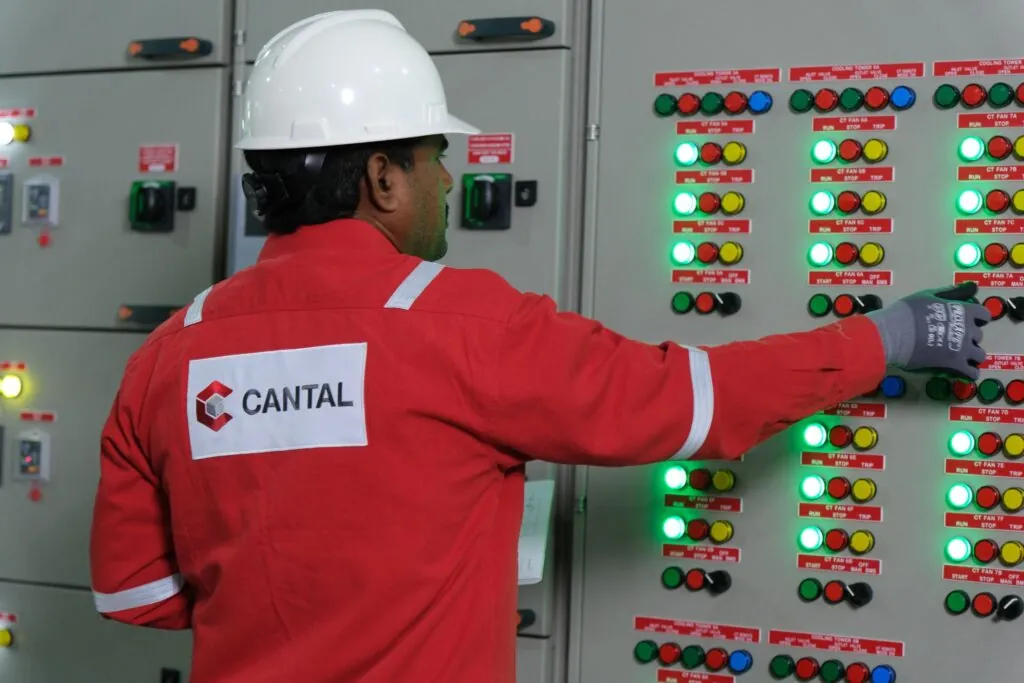
System integration is not a single activity. It spans multiple project stages and requires continuous coordination.
Planning and Concept Development
During the early stages of a project, the electrical system integrator works with project stakeholders to understand operational requirements.
Key considerations often include:
- Power demand forecasts
- Facility expansion plans
- Reliability objectives
- Safety requirements
- Operational constraints & requirements
- Future scalability
Early involvement helps identify potential challenges before detailed design begins.
Design Coordination
As designs develop, the integrator supports that equipment specifications align with project requirements.
Responsibilities may include:
- Reviewing electrical schematics
- Coordinating equipment interfaces
- Assessing system compatibility
- Verifying protection philosophies
- Supporting design optimization
This helps reduce the risk of costly redesigns later in the project.
Equipment Selection and Procurement Support
Selecting suitable equipment is about more than meeting technical specifications.
The integrator may evaluate:
- System compatibility
- Operational requirements
- Environmental conditions
- Maintenance considerations
- Future expansion needs
This process helps ensure that all components can operate effectively together.
Core Responsibilities of an Electrical System Integrator
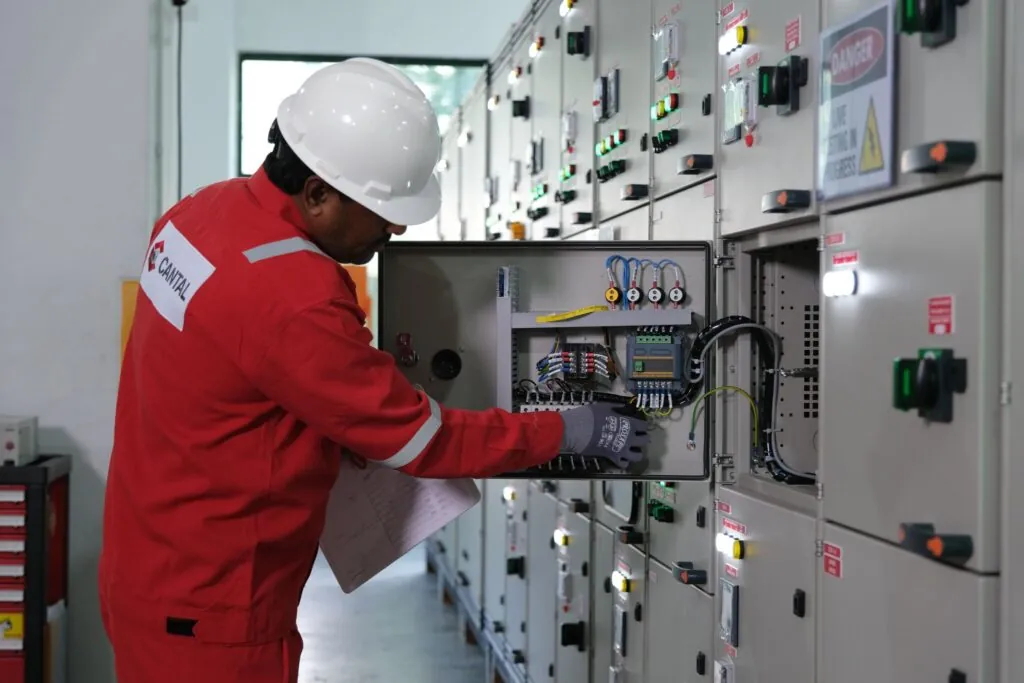
While responsibilities vary between projects, electrical system integrators play an important role in ensuring that individual components operate as part of a reliable and coordinated power distribution system. Their work often focuses on reducing technical conflicts, improving system compatibility, and supporting smoother project execution.
Coordinating Multiple Equipment Suppliers
Large power distribution projects often involve equipment sourced from multiple manufacturers. While each product may perform well individually, challenges can arise when different systems need to communicate and operate together.
These may include:
- Electrical switchgear
- Transformers
- Protection relays
- Power monitoring systems
- Control systems
- Generator
- UPS
- Busway System
- Building Monitoring System (BMS)
The electrical system integrator helps ensure that communication protocols, protection settings, operational requirements, and performance expectations remain aligned across all equipment. This reduces the risk of compatibility issues that may only become apparent during testing or commissioning.
Managing System Interfaces
Many project issues occur not because of equipment faults, but because of problems at the interfaces between systems.
Examples include:
- Switchboard-to-busduct connections
- Protection relay coordination
- Power monitoring system integration
- Generator synchronization
- Building management system interfaces
Careful interface management helps ensure that information flows correctly between systems and that equipment responds as intended under normal operating conditions and fault scenarios. Addressing these interfaces early can help reduce commissioning delays and minimize the need for costly modifications later in the project.
Supporting Compliance Requirements
Electrical installations must comply with relevant standards, regulations, and project specifications. In addition to verifying that individual components meet technical requirements, system integrators help ensure that the overall power distribution system operates in accordance with the intended design philosophy.
This may involve reviewing equipment configurations, protection settings, documentation, and testing requirements to confirm that systems are installed and commissioned appropriately. By identifying potential compliance gaps early, organizations can reduce project risks and support a smoother handover process.
Electrical System Integrator Responsibilities Throughout the Project Lifecycle
| Project Stage | Key Responsibilities |
|---|---|
| Planning | Assess requirements, identify constraints, support project strategy |
| Design | Coordinate system architecture, review specifications, ensure compatibility |
| Procurement | Support equipment selection and supplier coordination |
| Installation | Monitor integration requirements and interface management |
| Testing | Verify system functionality and performance |
| Commissioning | Validate operation under real-world conditions |
| Energization | Support safe transition to operational status |
| Operations | Assist with optimization, upgrades, and lifecycle planning |
How System Integration Supports Reliable Electrical Infrastructure
Effective system integration influences several aspects of project success. By ensuring that different electrical systems operate cohesively, organizations can reduce technical issues during project delivery while supporting long-term operational performance.
Improved Reliability
Properly integrated systems are less likely to experience operational conflicts, nuisance tripping, or unexpected failures. When protection devices, monitoring systems, and power distribution equipment are configured to work together correctly, facilities can achieve more stable and predictable system performance.
Reduced Project Delays
Many commissioning delays result from interface issues that were not identified earlier in the project. Examples include communication mismatches between systems, configuration errors, or incompatibilities between equipment from different suppliers.
Proactive integration helps resolve these issues before they affect project schedules, reducing the likelihood of rework during later project stages.
Better Lifecycle Performance
System integration considers not only immediate project requirements but also long-term operational needs. This can make future modifications and maintenance activities more manageable as facilities grow and evolve.
Benefits may include:
- Easier maintenance
- Future upgrades and expansions
- Improved troubleshooting
- Better asset management
- Greater visibility into system performance
By considering the full operational lifecycle of a facility, system integration helps create electrical infrastructure that remains reliable and adaptable long after project completion.
The Relationship Between Electrical System Integrators and Switchgear Manufacturers
Many project owners assume that equipment suppliers and system integrators perform the same function. However, their responsibilities are often different.
Switchgear manufacturers in Singapore typically focus on designing and supplying equipment such as electrical switchgear, switchboards, and related power distribution products.
An electrical system integrator focuses on ensuring that all project systems operate together effectively.
In some cases, organizations provide both capabilities under a single project team offering design, manufacturing, integration, testing, and commissioning expertise. Cantal operates this way, brings together switchgear manufacturing, Henikwon busduct capabilities, system integration, testing, and commissioning support under the wider group.
This can simplify communication and improve project coordination.
Common Challenges an Electrical System Integrator Helps Solve
Power distribution projects frequently encounter challenges that extend beyond equipment performance.
Common examples include:
- Equipment Compatibility Issues: Products from different suppliers may use different communication protocols, protection settings, or operational philosophies.
- Expansion and Scalability Requirements: Facilities often grow over time. Systems must be designed with future expansion in mind.
- Commissioning Delays: Poor coordination can lead to extended testing periods and project handover delays.
- Operational Risk Management: Critical facilities require robust protection strategies and system resilience.
An experienced electrical system integrator helps address these challenges throughout the project lifecycle.
What to Look for When Selecting an Electrical System Integrator
Choosing the right integration partner can significantly influence project outcomes.
Consider evaluating:
- Maintenance aspects
- Relevant project experience
- Engineering expertise
- Testing and commissioning capabilities
- Power distribution knowledge
- Equipment integration experience
- Lifecycle support services
- Manufacturing capabilities
- Safety record
Projects involving complex electrical switchgear and switchboard installations often benefit from integrators with both engineering and practical field experience.
Why Electrical System Integration Is Critical to Power Distribution Success
A successful power distribution project depends on more than selecting quality equipment. Every component must operate together safely, reliably, and efficiently throughout the facility lifecycle.
An electrical system integrator provides the coordination, technical expertise, and project oversight needed to connect electrical switchgear, switchboards, protection systems, and monitoring technologies into a fully functioning power distribution network.
At Cantal we support clients throughout the project lifecycle, from design coordination and equipment selection to testing, commissioning, and long-term system optimization. By combining integration expertise with extensive power distribution experience, we help organizations build reliable electrical infrastructure that supports both current operations and future growth.
Frequently Asked Questions
Does an electrical system integrator perform electrical installation work?
Not always. While some integrators provide installation services, others focus primarily on engineering, coordination, testing, commissioning, and system optimization.
When should an electrical system integrator become involved in a project?
Ideally, an integrator should be involved during the planning or design phase to identify compatibility issues and support more efficient project execution.
What is the difference between commissioning and system integration?
System integration focuses on ensuring different systems work together properly. Commissioning verifies that the integrated system performs according to design requirements before handover.
Can an electrical system integrator help improve energy efficiency?
Yes. Through system optimization, monitoring integration, load management, and equipment coordination, integrators can help facilities identify opportunities to improve operational efficiency.